

Table lamps
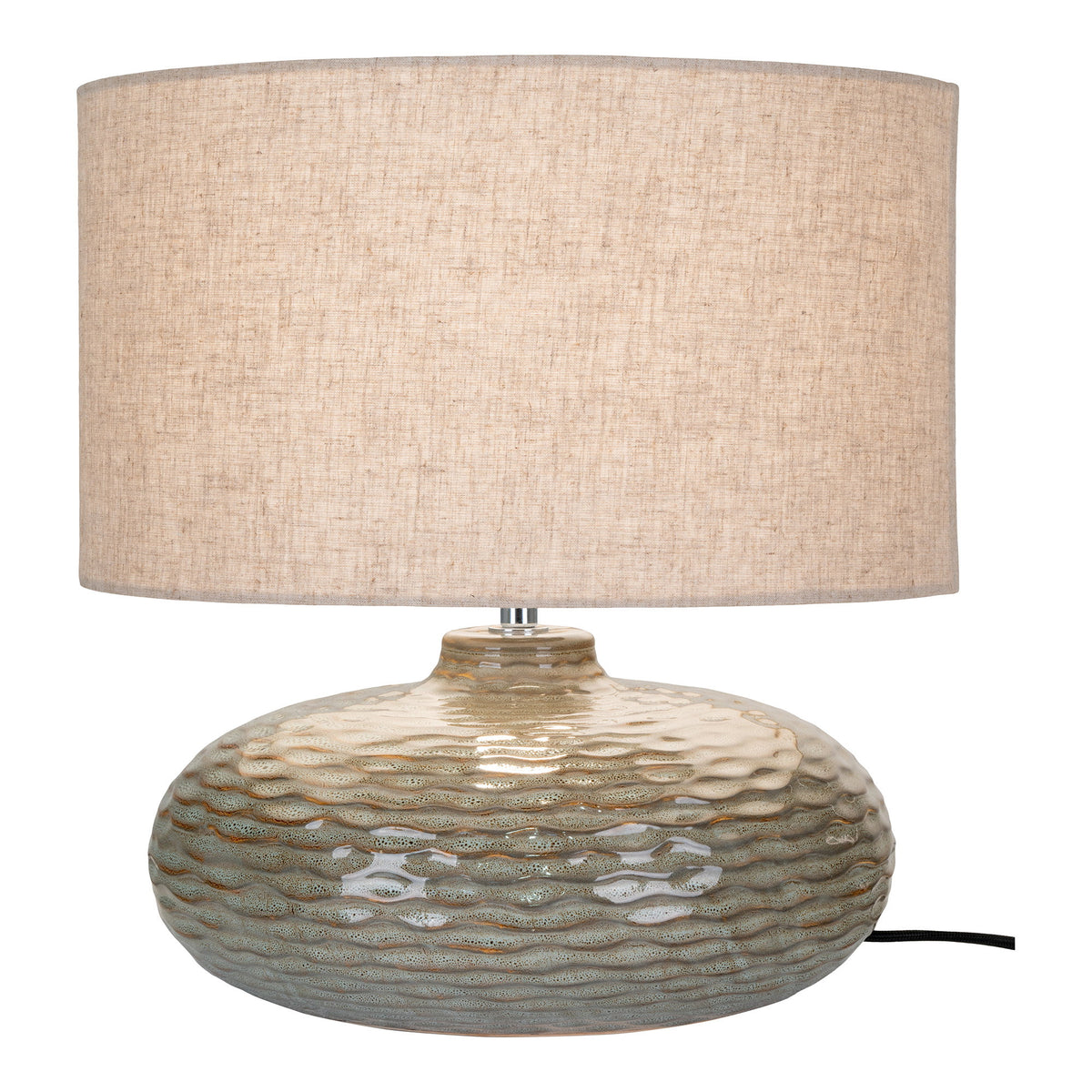
Table lamps instantly create a warm, inviting atmosphere while serving as stylish design objects. In our collection, you will find high-quality table lamps that combine functionality, quality, and timeless design – from elegant bedside lamps and functional desk lamps to impressive designer table lamps. Discover table lamps that instantly make any sideboard, desk, or bedside table look more stylish.


Light in a small format
On the sideboard, by the bed, or next to your reading chair: table lamps draw attention to individual areas. Glass, metal, and stone create different accents. Discover a form that contributes to the décor by day and the atmosphere by night.


Light in a small format
On the sideboard, by the bed, or next to your reading chair: table lamps draw attention to individual areas. Glass, metal, and stone create different accents. Discover a form that contributes to the décor by day and the atmosphere by night.


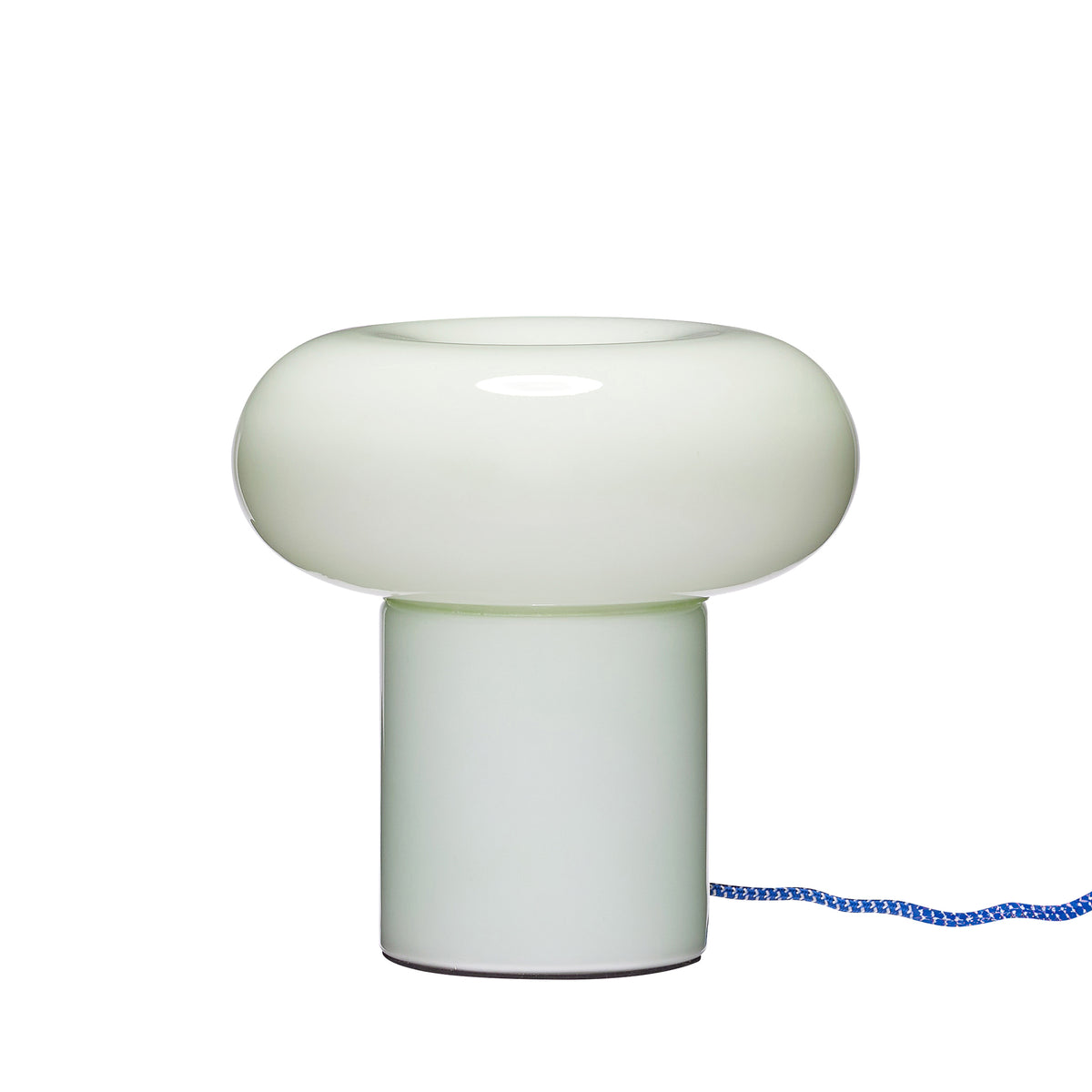
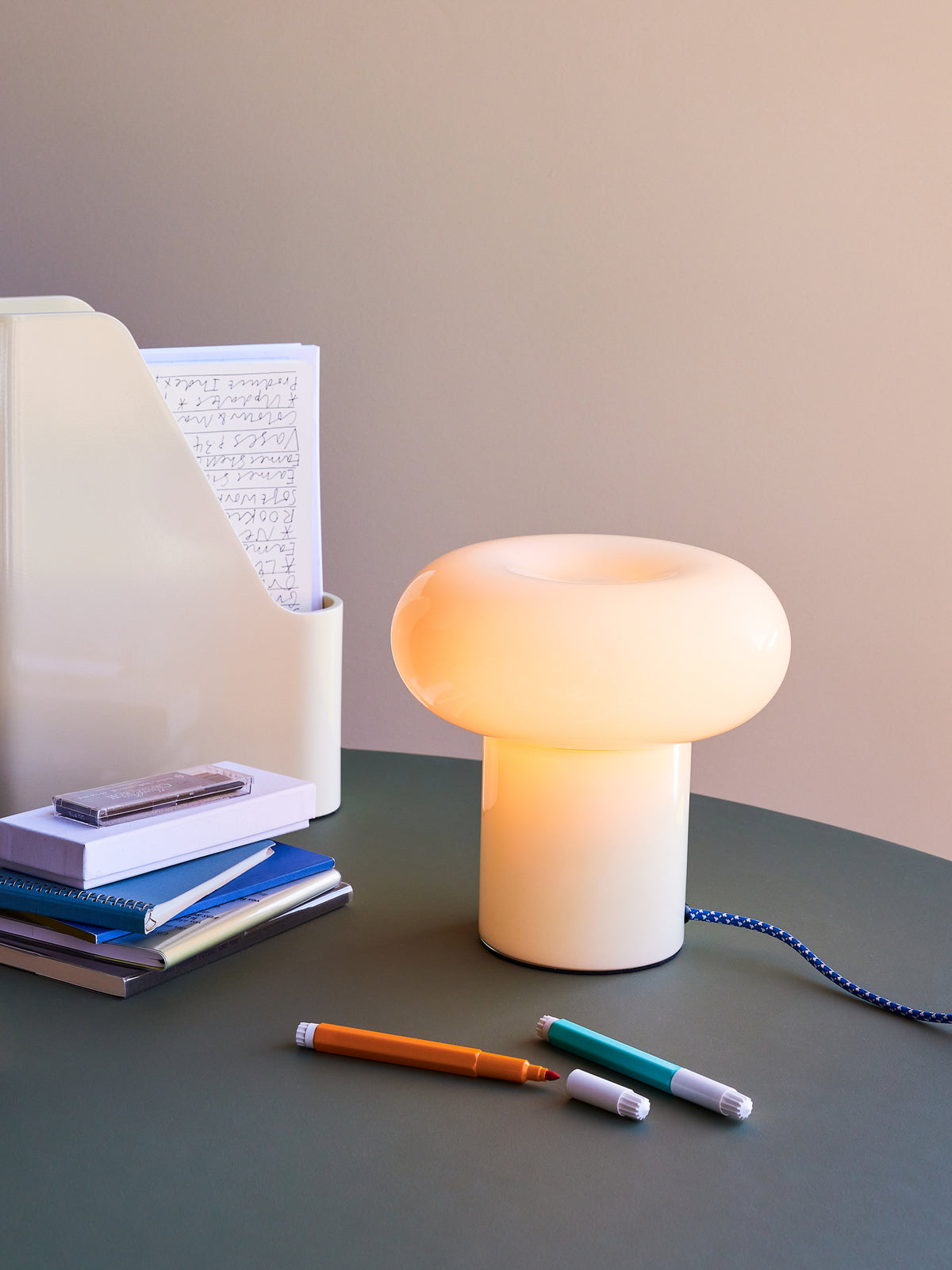

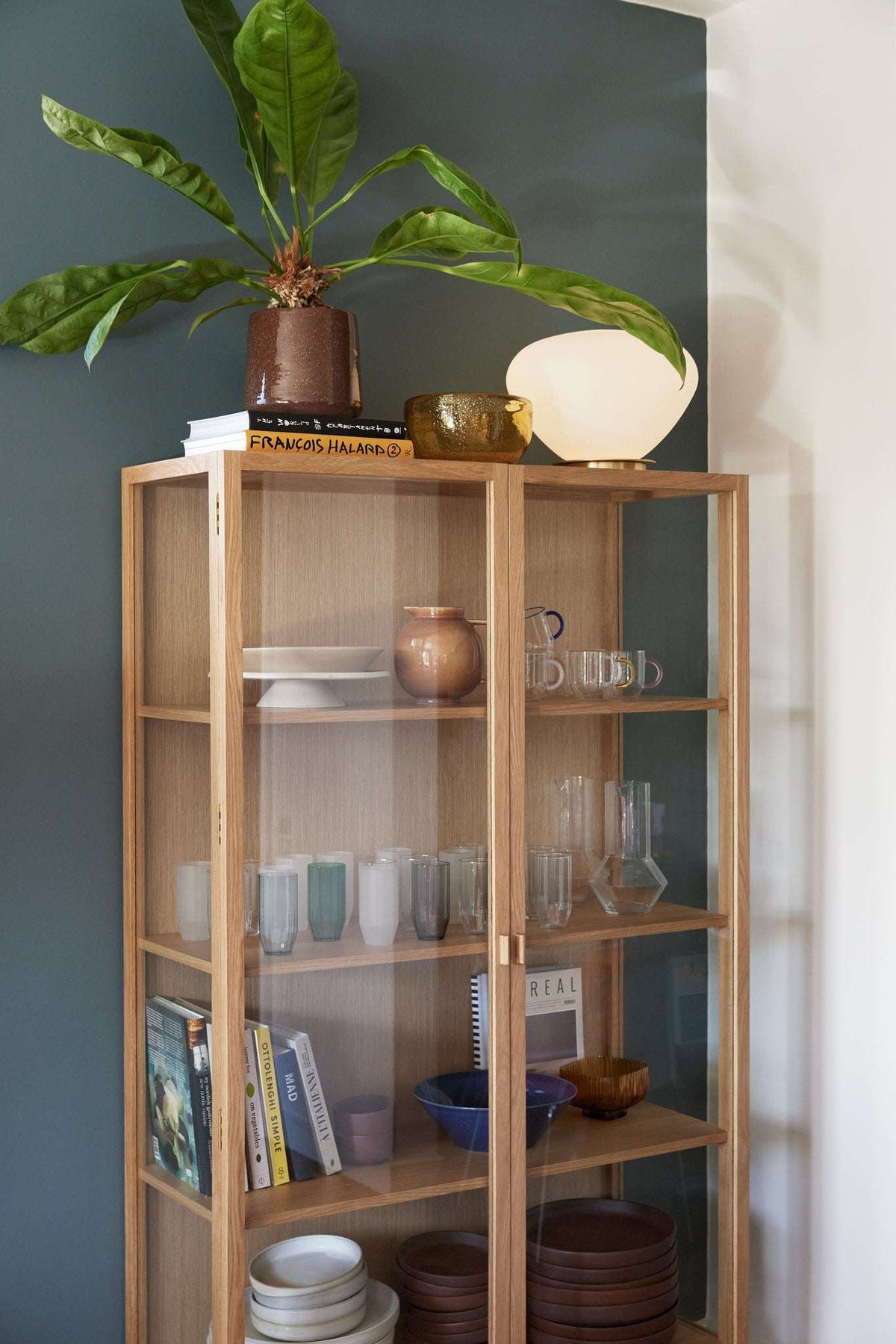


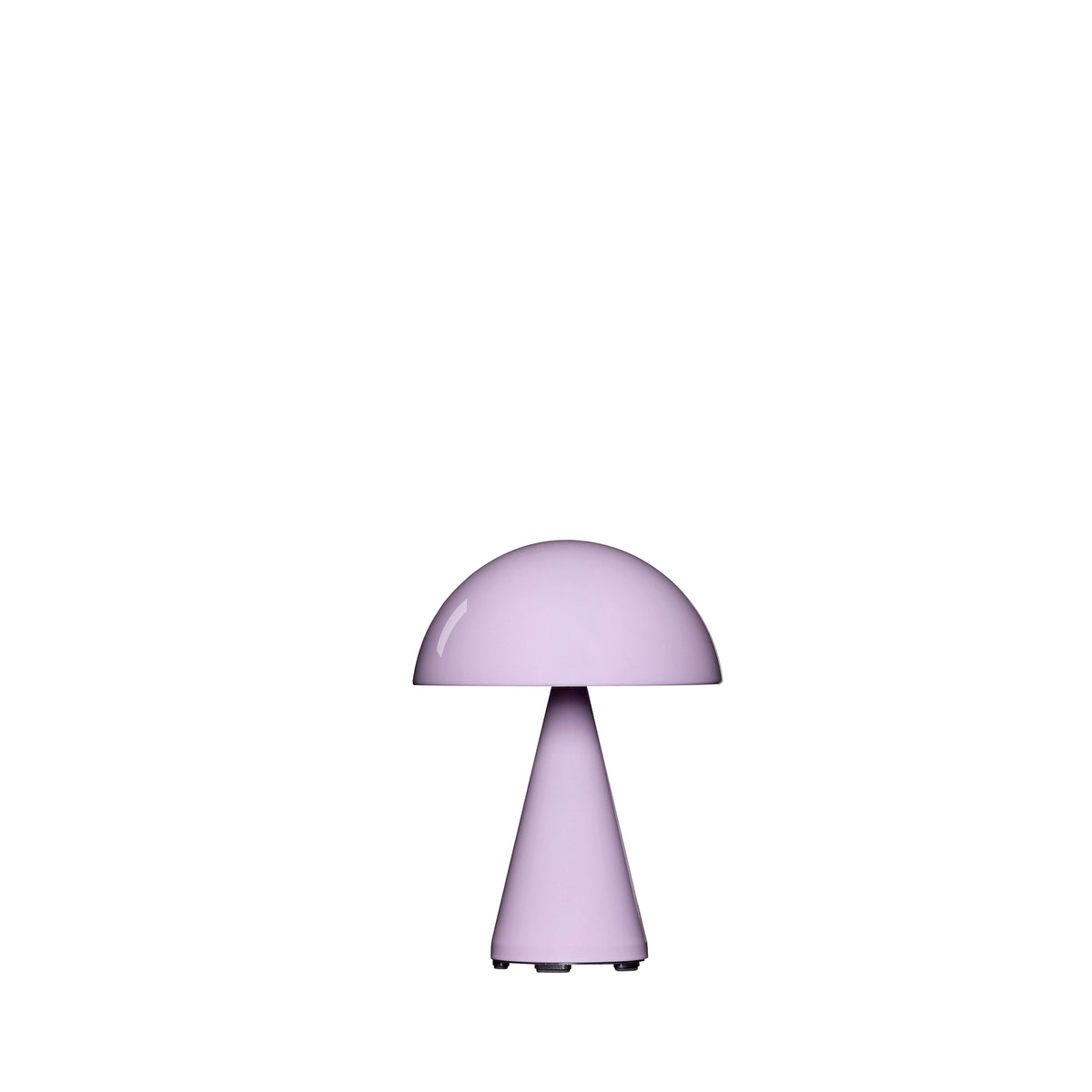
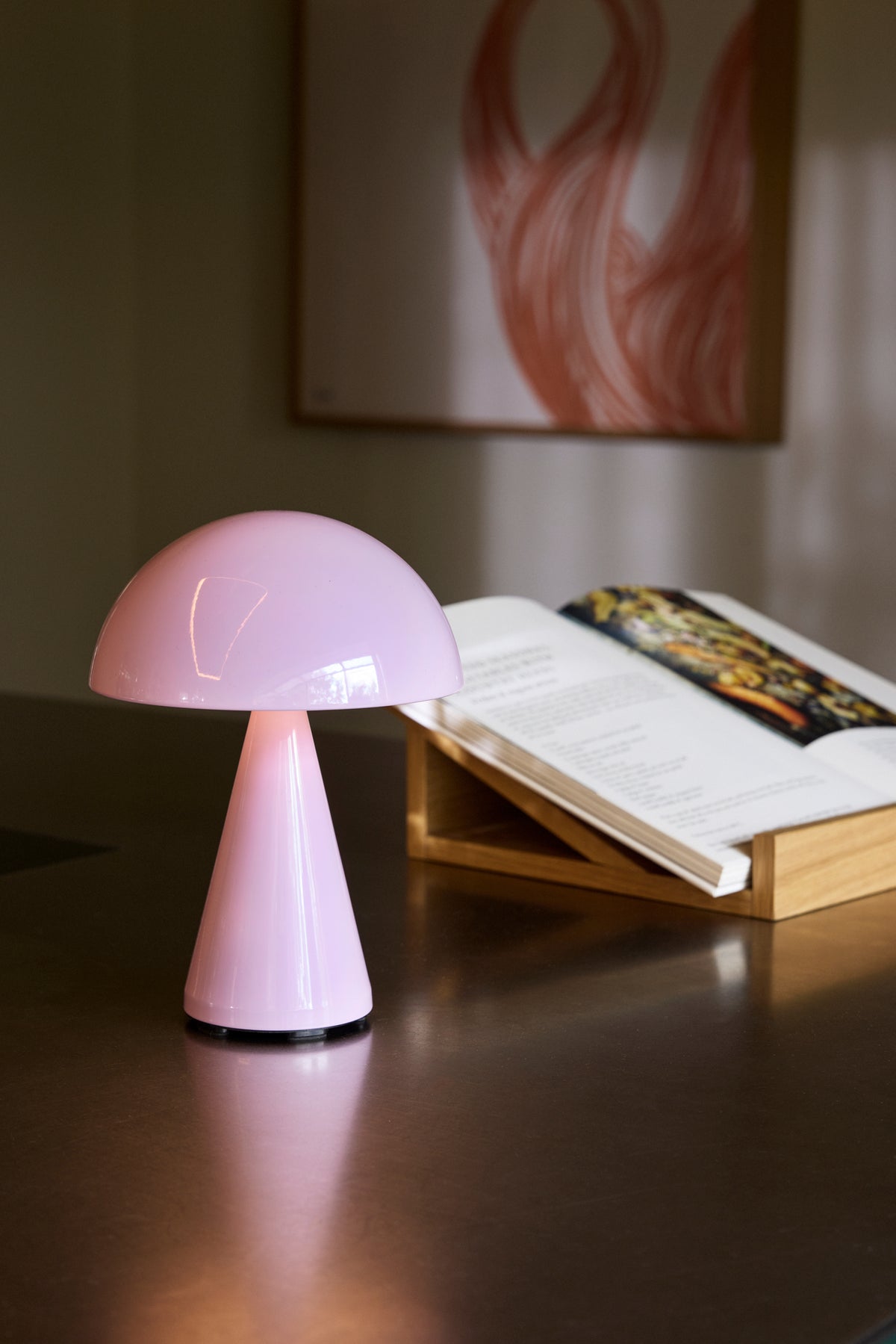


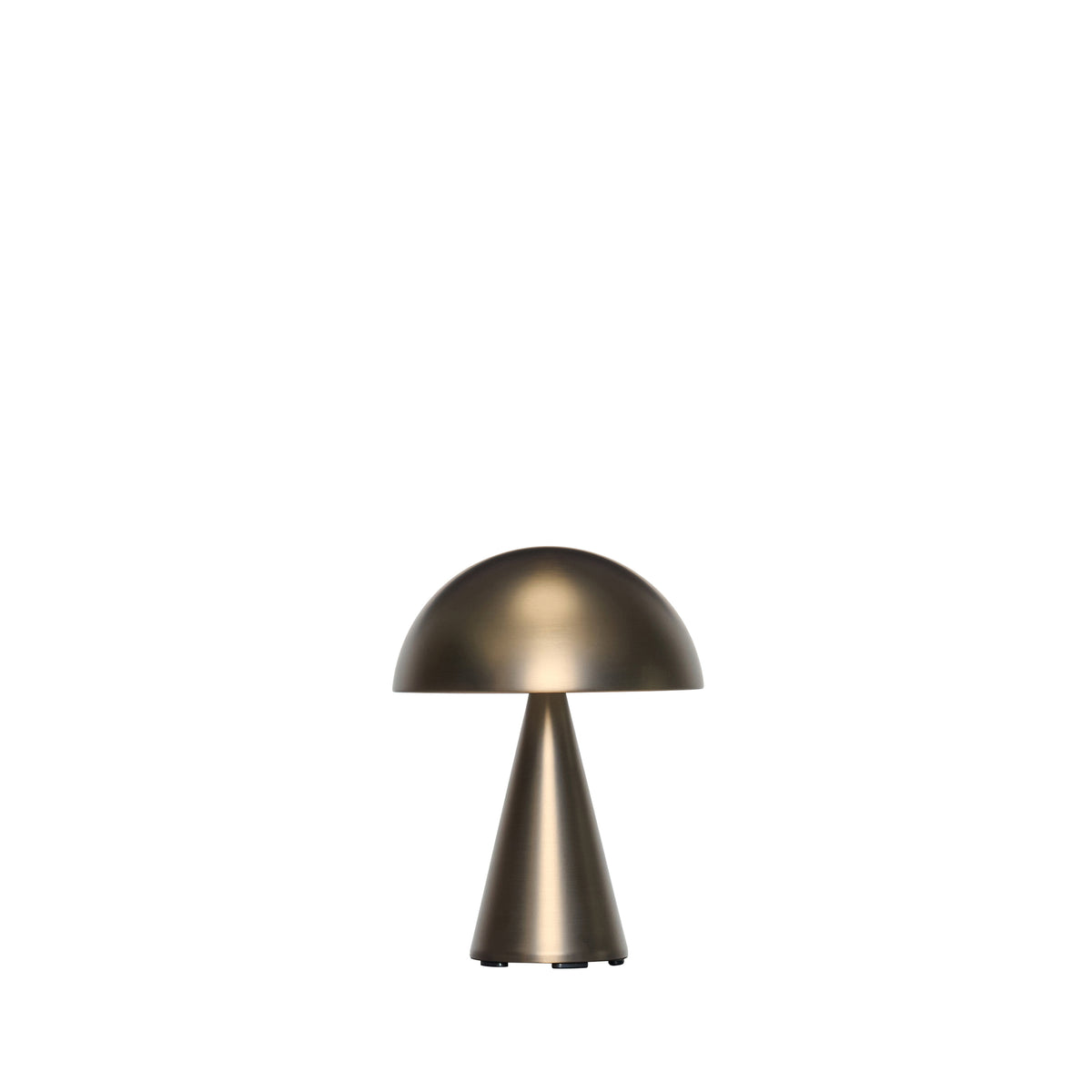


Table lamps for cozy and functional lighting
Table lamps are versatile light sources for almost any living area. They provide additional brightness, create targeted pools of light, and highlight your interior style.
In the living room, they create a cozy atmosphere on a sideboard or side table. In the bedroom, they provide light for reading. In the study, they illuminate the desk. In the hallway, small models add decorative accents to consoles.
Discover our table lamps at PolsterOase or get an overview of all lamps and lighting.
Which material is right for your table lamp?
The material influences the appearance, lighting effect, and maintenance of a table lamp.
Metal looks modern and linear. Black models suit minimalist and industrial interiors. Brass and gold-colored surfaces add elegant accents.
Plastic allows for lightweight constructions, bold colors, and extraordinary shapes. The material is particularly suitable for modern and functional lighting.
Linen and other fabrics filter the light and create a soft, cozy atmosphere. Table lamps with fabric shades fit particularly well in living rooms and bedrooms.
Glass looks light and timeless. Clear glass shows the light source, while opal glass distributes the light more evenly. Smoked glass or colored glass can add additional accents.
Marble is often used for the base and has a high-quality appeal. Wood brings warmth and naturalness to the room.
Which table lamp suits your interior style?
Clear shapes made of metal or glass are suitable for modern interiors. Dark metal supports an industrial style. Light colors and wooden details look Scandinavian. Natural materials and warm tones suit the boho style. Marble, brass, and glass are suitable for elegant rooms. Colored spherical shapes add a striking retro accent.
You can find more inspiration in our categories for the living room and bedroom.
Light color and functions of table lamps
Warm white light with approximately 2,700 to 3,000 Kelvin is suitable for living rooms and bedrooms. It creates a cozy and relaxed atmosphere.
Neutral white light appears clearer and is well suited for the desk or other functional areas.
Dimmable table lamps can be adapted to different situations. Bright light supports working and reading. Dimmed light creates a calmer mood in the evening.
Before purchasing, check how the dimming is controlled. With replaceable light sources, the lamp, light source, and switch must be compatible with each other.
Movable arms and lamp heads allow for targeted orientation. Fabric shades and frosted glass diffuse the light and reduce harsh shadows.
The right size for a table lamp
A very small lamp can look lost on a wide sideboard. A large model, on the other hand, can quickly overwhelm a small bedside table or desk.
Before purchasing, check the height, the width of the lampshade, the required surface area, and the length of the power cable. Measure the intended space and also consider books, decorations, and other objects that are to be placed on the furniture.
Properly placing bedside lamps
A bedside lamp should provide pleasant light without glaring while lying down. The lower edge of the lampshade should ideally be approximately at shoulder height or eye level when you are sitting in bed. The exact position depends on the height of the bed, the bedside table, and the lamp.
Two identical table lamps on both sides of the bed create a calm and symmetrical overall picture. A single lamp can be deliberately used as an asymmetrical accent.
Make sure that the switch is easily accessible and that the cable does not create a tripping hazard.
Table lamps on the desk
A good desk lamp illuminates the work surface evenly without glaring or creating distracting reflections on the screen. Models with an adjustable arm or movable lamp head can be individually oriented.
Right-handed people often place the lamp to the left of the work surface. Left-handed people tend to place it on the right. This way, the writing hand casts fewer shadows on paper or the keyboard.
The table lamp should be supplemented by general room lighting. A large difference in brightness between the screen, work surface, and surroundings can be unpleasant.
Table lamps on sideboards and shelves
On a sideboard or console, the table lamp itself becomes a decorative element. It can highlight pictures, vases, books, or other home accessories.
A side placement often looks more interesting than a strictly centered arrangement. On the other hand, several smaller decorations can provide visual balance.
Even in a shelf, a small lamp can create a targeted point of light. Pay attention to sufficient distance from other objects and secure cable routing.
Table lamps for the reading nook
A table lamp next to the armchair should direct the light directly onto the book. Place it slightly to the side or behind the seating area so that it does not glare.
A movable lamp head makes it easier to adapt to your sitting position. If there is no space on the side table, a floor lamp may be the better solution.
Combining table lamps with other lamps
Several light sources at different heights make a room look more balanced and cozy.
Wall lamps bring light to the edges of the room and require no surface area. Floor lamps create larger pools of light next to the sofa or armchair. Pendant lights often provide central lighting or light over a table.
The lamps do not have to come from the same series. Recurring materials, colors, or shapes are enough to create a harmonious overall picture.
Using rechargeable table lamps flexibly
Rechargeable table lamps can be placed independently of an outlet. They are suitable for dining tables, shelves, and other places where visible cables would be a nuisance.
When choosing, pay attention to battery life, charging time, brightness levels, and charging connection. Not every rechargeable lamp is suitable for bathrooms, balconies, or gardens. The decisive factor is the manufacturer's express approval.
Properly cleaning table lamps
Glass is cleaned with a soft cloth and suitable glass cleaner. Apply the cleaner to the cloth and not directly to the lamp.
Metal should be wiped dry or slightly damp. Abrasive cleaners can damage coatings.
Fabric shades are carefully dusted with a soft brush or a clean upholstery nozzle at low power.
Plastic can be cared for with a soft cloth and mild cleaning agent. Solvents are unsuitable.
Marble must not be treated with acidic agents. Wood should be cleaned mostly dry.
Unplug the power cord before cleaning and let the lamp cool down completely. Liquid must not get on the switch, sockets, or cable connections.
LED light sources for table lamps
LED light sources require little power and are available in various light colors. Pay attention to the matching socket, the desired brightness in lumens, the light color in Kelvin, and the dimmability.
For living spaces, warm white light is usually suitable. At the desk, neutral white light may make more sense. You can find suitable models in our LED lamps category.
FAQ: Frequently Asked Questions About Table Lamps
For a desk, an adjustable desk lamp with a movable arm or swiveling lamp head is ideal. Neutral white light provides clear illumination of the work surface. The lamp should be positioned so that it does not cast shadows or create distracting reflections on the screen.
For cozy additional lighting, around 400 to 800 lumens is often sufficient. A higher brightness may be useful at a desk. The room size, lampshade, and existing ambient lighting are also important factors. A dimmable table lamp can be flexibly adjusted to suit different situations.
For the bedroom, table lamps with warm white light and a fabric or frosted glass shade are ideal. They create a calm atmosphere and reduce direct glare. A dimming function and an easily accessible switch are particularly convenient at the bedside.
Yes. Table lamps can be perfectly combined with floor lamps, wall lamps or pendant lights. Multiple light sources at different heights create balanced and inviting lighting.