

Carpets
Rugs bring warmth, texture and coziness to any room. Soft rugs make the living room more inviting, while durable rugs are ideal for hallways and entrance areas. For balconies and terraces, easy-care options specifically designed for outdoor use are suitable.
In our selection of rugs, you will find a variety of colors, materials, sizes and patterns. This allows you to choose a rug that suits your interior style, the particular room and your personal needs.


A frame for your home
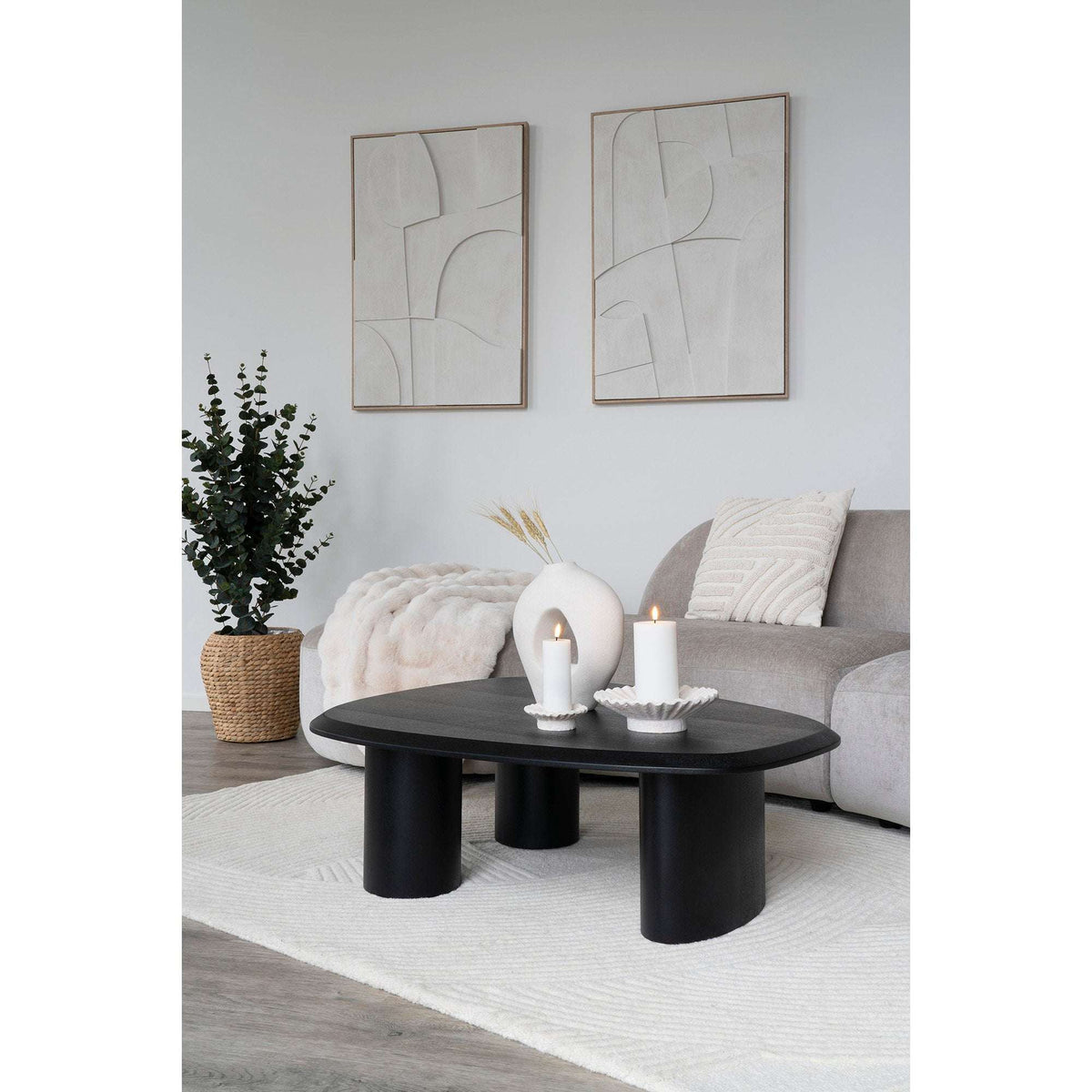
A rug brings furniture together into a group and gives the room structure. Understated tones, contrasting textures, and soft contours create their own accents. Discover the size that brings your seating area or favorite space together.


A frame for your home
A rug brings furniture together into a group and gives the room structure. Understated tones, contrasting textures, and soft contours create their own accents. Discover the size that brings your seating area or favorite space together.


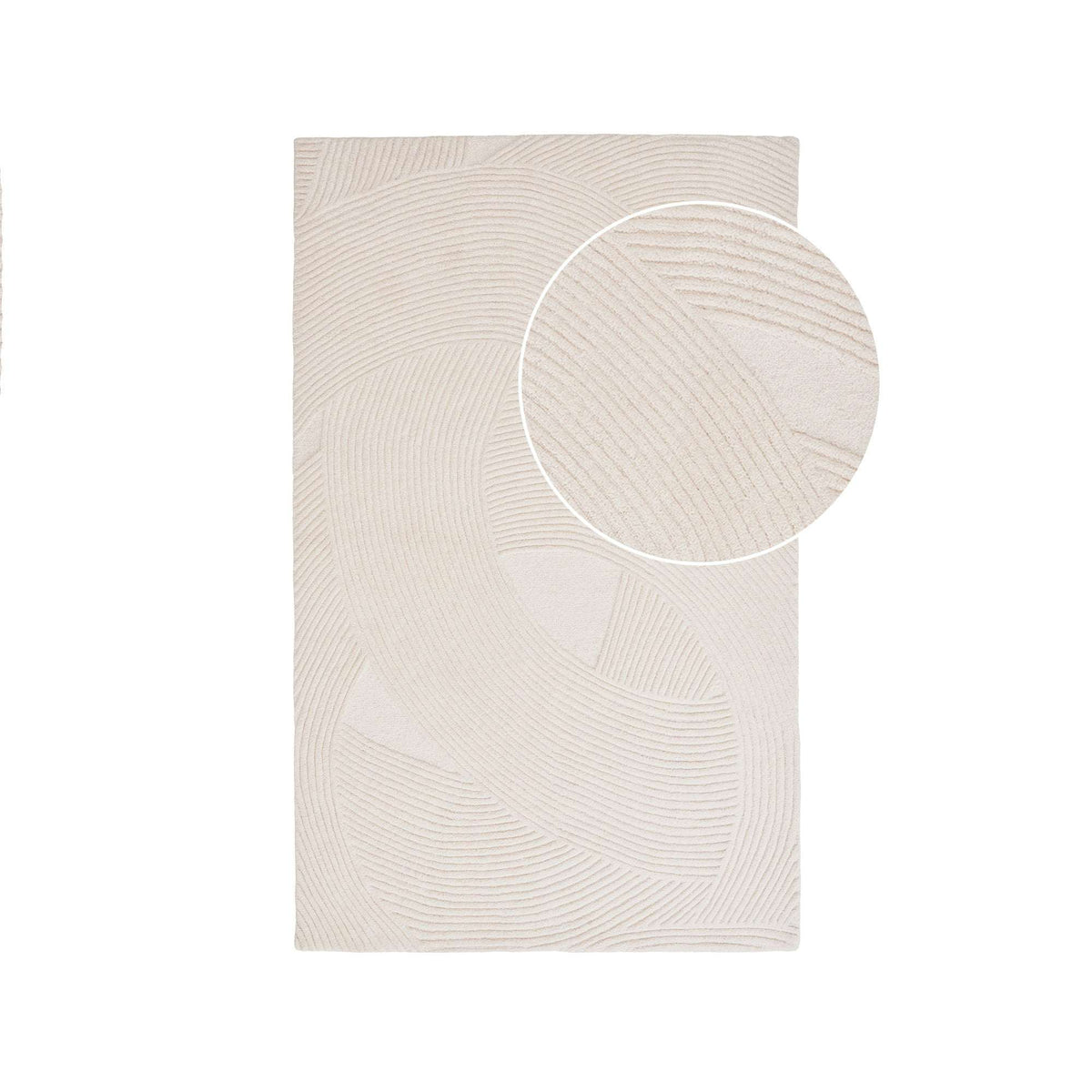


Materials and Properties of Rugs
The material affects the appearance, feel, care, and durability of a rug. Natural fibers such as wool, cotton, and jute bring a natural texture to the room. Synthetic fibers are often easy to care for and well-suited for frequently used living areas.
Discover our selection of rugs at PolsterOase and find a model that suits your room and interior style.
Wool Rugs
Wool feels soft and comfortable. The material is particularly suitable for living rooms and bedrooms. Wool rugs can be long-lasting but require gentle care in accordance with the manufacturer's instructions.
Cotton Rugs
Cotton is lightweight, soft, and versatile. Some cotton rugs are washable. However, whether they can be cleaned in a washing machine depends on their size, construction, and the manufacturer's instructions.
Jute Rugs
Jute has a firm, natural texture and a rustic appearance. The material pairs well with Scandinavian, natural, and modern interiors. Jute rugs should be protected from excessive moisture.
Synthetic Fiber Rugs
Synthetic fibers are often durable and easy to care for. They are particularly suitable for dining rooms, hallways, and households with children or pets. Not every synthetic fiber rug is automatically suitable for outdoor use or machine washing.
Which Pile Height Suits Your Room?
Pile height refers to the length of the rug fibers. It affects both the feel underfoot and the amount of care required.
High-pile rugs have long fibers and feel particularly soft. They are well-suited for quiet living areas and bedrooms. However, dirt and pet hair can accumulate more easily between the fibers in heavily used rooms.
Low-pile rugs are more compact and usually easier to clean. They are well-suited for living rooms, children's rooms, and workspaces.
Flat-woven rugs have no pile or a very low pile. They are particularly suitable for dining rooms, hallways, and other frequently used areas. Chairs are easier to move on a flat surface.
Which Rugs Are Suitable for Underfloor Heating?
With underfloor heating, you should choose a rug that has been expressly approved for this purpose by the manufacturer. A dense or very thick model can more significantly impede heat output.
Flat-woven rugs and low-pile options are often better suited than particularly thick high-pile rugs. However, the specifications provided by the rug manufacturer and the heating manufacturer are decisive.
The rug pad used must also be suitable for underfloor heating. Additionally, pay attention to the maximum surface temperature and do not stack several thick layers on top of each other.
Rugs for Different Rooms
The right rug depends on how the room is used, the available floor space, and the furniture. Size and placement influence whether an area appears calm and cohesive or visually cluttered.
Rugs in the Living Room
In the living room, a sufficiently large rug brings together the sofa, armchairs, and coffee table into a single zone. At least the front legs of the seating furniture should rest on the rug. In a large room, all the furniture can also be placed entirely on it.
For many seating arrangements, sizes of approximately 160 by 230 centimeters or 200 by 300 centimeters are suitable. The actual size depends on the dimensions of the furniture and the room.
You can find suitable furniture in our categories for sofas and armchairs.
Rugs in the Dining Room
Under the dining table, the rug should be large enough so that the chairs remain almost entirely on it even when pulled back. As a guideline, the rug should extend approximately 60 to 70 centimeters beyond the table edge on each side.
Flat-woven and low-pile models are particularly practical in the dining area. They make it easier to move the chairs and are usually easier to vacuum than very high-pile options.
You can find more interior design ideas in our dining room category.
Rugs in the Bedroom
In the bedroom, soft rugs provide a pleasant feel when getting out of bed. A large rug can lie under the bed and remain visible on the sides and at the foot.
Alternatively, you can place smaller rugs on both sides of the bed. This gives you a soft walking surface without furnishing the entire area with a large model.
Discover more furniture and accessories for your bedroom.
Rugs in the Hallway
In the hallway, durable and flat rugs are practical. They should not block doors or create a tripping hazard.
An elongated runner emphasizes the shape of a narrow hallway. A suitable pad can reduce slipping. It must match the size of the rug and the respective floor type.
Rugs for Balconies and Patios
For outdoor areas, only rugs expressly designed for this purpose may be used. Such models must be able to withstand moisture, sunlight, and temperature fluctuations.
A suitable rug should also be able to dry regularly. Persistent moisture under the rug can damage both the material and the floor.
Finding the Right Rug Size
Before purchasing, you should measure the intended area carefully. Mark the outer edges of the rug with paper or a measuring tape. This will help you better assess the effect of the chosen size.
A rug that is too small can visually separate the furniture. A sufficiently large model brings them together into a calm, cohesive unit. At the same time, enough floor should remain visible so that the room does not appear cluttered.
When measuring, take doors, cabinets, radiators, and frequently used walkways into account. Under a dining table, additional space must be planned for pulled-back chairs.
Which Rug Shape Suits Your Room?
Rectangular rugs are versatile and fit under sofas, dining tables, and beds. They echo the straight lines of many rooms and pieces of furniture.
Round rugs visually soften an interior. They look particularly harmonious under a round table, in a small seating area, or as a single accent.
Organically shaped rugs have soft and irregular contours. They are suitable for modern interiors and can deliberately complement straight-lined furniture.
The rug shape should be guided by the room layout and the most important pieces of furniture. An unusual shape works best when there is enough free floor space.
Using Colors and Patterns Correctly
A light rug can make a room appear friendlier and more open. Dark colors create stronger contrasts but often show dust or lint more quickly on light floors.
Patterned rugs bring movement into a simply furnished room. Abstract motifs appear modern and artistic. Ornaments suit classic, elegant, or Oriental-inspired interiors.
Stripes can influence the visual effect of the room. Their direction can make an area appear visually wider or longer. Striking motifs are suitable as a deliberate eye-catcher.
If the sofa, curtains, and wall design are already color-intensive, a calm rug provides balance. With simple furniture, however, the model may show more color or pattern.
Zoning Living Areas with Rugs
Rugs are excellent for dividing open spaces into individual areas. A large rug can mark the sofa area. A second model visually separates the dining area.
To keep the room harmonious, colors or materials should be repeated. The rugs do not have to be identical. A common base color or a similar texture is often sufficient.
Lighting also supports zoning. A pendant light emphasizes the dining area, while a floor lamp next to the sofa creates a cozy lighting zone.
Combining Multiple Rugs
In so-called layering, several rugs are partially placed on top of each other. A large, calm rug forms the base. A smaller model with a striking color, special texture, or pattern is placed on top.
To prevent the combination from appearing cluttered, the rugs should complement each other in color or material. Too many patterns quickly compete with one another.
Make sure that the edges lie flat and do not create tripping hazards. In frequently used walkways, a simple placement is usually safer and more practical.
Caring for Rugs Correctly
Regular vacuuming removes dust, crumbs, and loose fibers. Set the power and brush of the vacuum cleaner to the respective material. For delicate or high-pile rugs, a rotating brush may be unsuitable.
Rotate the rug occasionally so that wear patterns and sunlight are distributed more evenly. Direct sunlight can change colors over time.
Always follow the manufacturer's care instructions for every cleaning. Not every rug can be washed, heavily dampened, or treated with a cleaning device.
Removing Stains Correctly
If you have a fresh stain, you should act quickly. Blot the liquid with a clean and absorbent cloth. Dab from the outside inward and avoid rubbing vigorously, as this can cause the stain to spread or penetrate deeper into the fibers.
Use only cleaning agents that are suitable for the respective material. Test every agent on an inconspicuous spot first. Wool, jute, and dyed natural fibers can be particularly sensitive.
For coffee, tea, juice, or red wine, the liquid should first be carefully blotted up. The stain can then be treated according to the manufacturer's instructions with a small amount of cold or lukewarm water.
Grease should first be blotted up with an absorbent cloth. Heat and vigorous rubbing can push the stain deeper into the fibers.
Blood stains must not be treated with hot water, as heat can bind the protein contained in the material.
For ink, paint, unknown stains, or delicate rugs, professional cleaning is often the safest solution.
Rugs in Households with Pets
For households with dogs or cats, low pile heights and flat-woven rugs are often suitable. Pet hair is easier to remove from them, and claws are less likely to get caught in long fibers.
Regular vacuuming reduces hair and dirt. A rubber brush or a suitable pet hair attachment can help with firmly embedded hair.
A suitable pad prevents the rug from easily slipping while playing or walking. It should lie completely under the rug and be suitable for the respective floor.
In the event of minor mishaps, you should quickly blot up the liquid and clean the area according to the care instructions. If a smell persists, professional rug cleaning may be necessary.
FAQ: Frequently Asked Questions About Rugs
The rug should be large enough to visually connect the main pieces of furniture. At least the front legs of the sofa and armchair should be on it. Measure the entire seating area before deciding on a size.
Flat-woven or low-pile rugs are suitable for hallways, dining rooms, and other high-traffic areas. Durable synthetic fibers can also be practical. The manufacturer's instructions for use and care are essential.
Shaggy rugs and many wool models have a soft surface. They are particularly suitable for living rooms and bedrooms, but usually require more care than flat-weave rugs.
Only use rugs outdoors that are expressly approved for outdoor use. They should withstand moisture and sunlight and be able to dry completely after rain.
A suitable rug pad can provide more stability. It must match the size of the rug and the type of flooring. Creases, raised edges, and shifted pads should be corrected immediately.
Vacuuming helps remove most loose pet hair. For firmly embedded hair, a rubber brush or a special pet hair attachment is suitable, depending on the material. Check beforehand whether the tool could damage the fibers.
Yes, provided that the carpet and underlay are approved for this by the manufacturer. Flat and less dense models often allow heat to pass through better than particularly thick carpets.
How often cleaning is necessary depends on usage, material, and household. Regular vacuuming is usually sufficient. Stains should be treated as soon as possible. Thorough cleaning should be done as needed and in accordance with the care instructions.